Elliptical for Lymphedema: Safe, Low-Impact Relief
By Amir Qureshi • 24th Apr
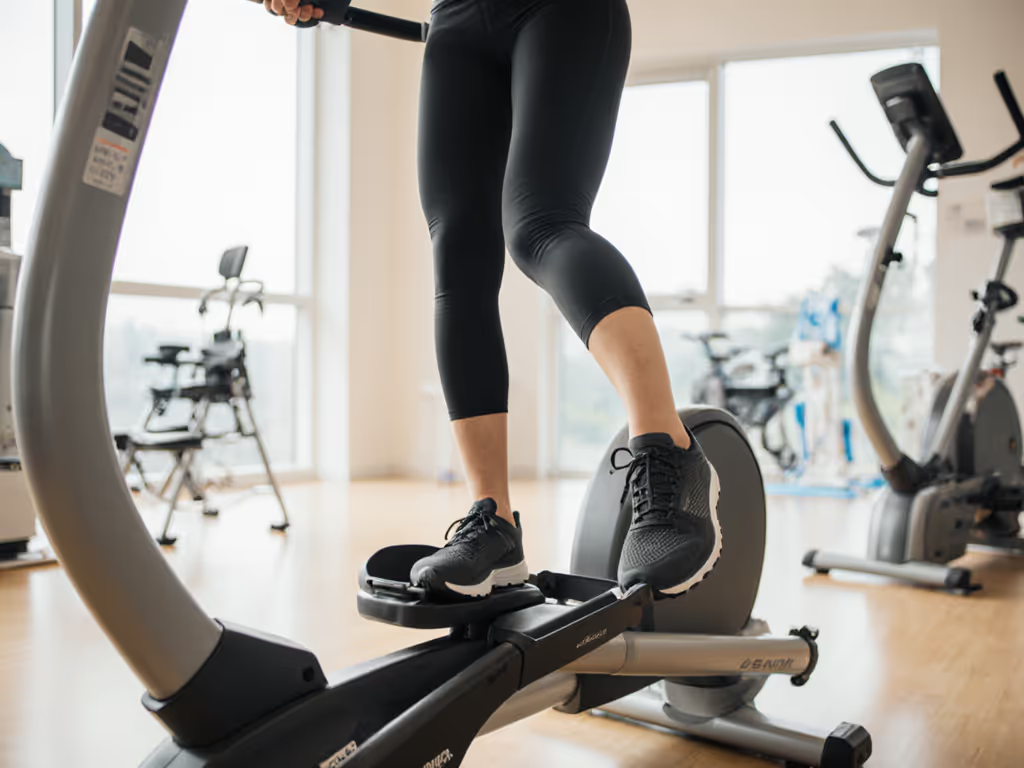
When lymphedema lands in your life, choices narrow fast. You need movement, but not just any movement, only the kind that respects your body's boundaries. The elliptical for lymphedema management isn't trendy advice; it's biomechanically sound. But here's where most people stumble: they pick a machine without measuring first, then wonder why their knee aches by week two. Use our stride length calibration guide to measure before you buy and prevent fit-related pain.
After a winter of personal knee twinges, I tested my stride reach on my living room floor with tape and a simple wall-to-toe drill. Swapping to a 20-inch stride with a narrower Q-factor eliminated the pinch within a week. That taught me something I now lead every recommendation with: your body's dimensions come before brand names. The same principle applies when you're managing lymphedema: wrong machine geometry will sabotage even the most disciplined routine. If it hurts, it's wrong.
Why the Elliptical Works for Lymphatic Circulation
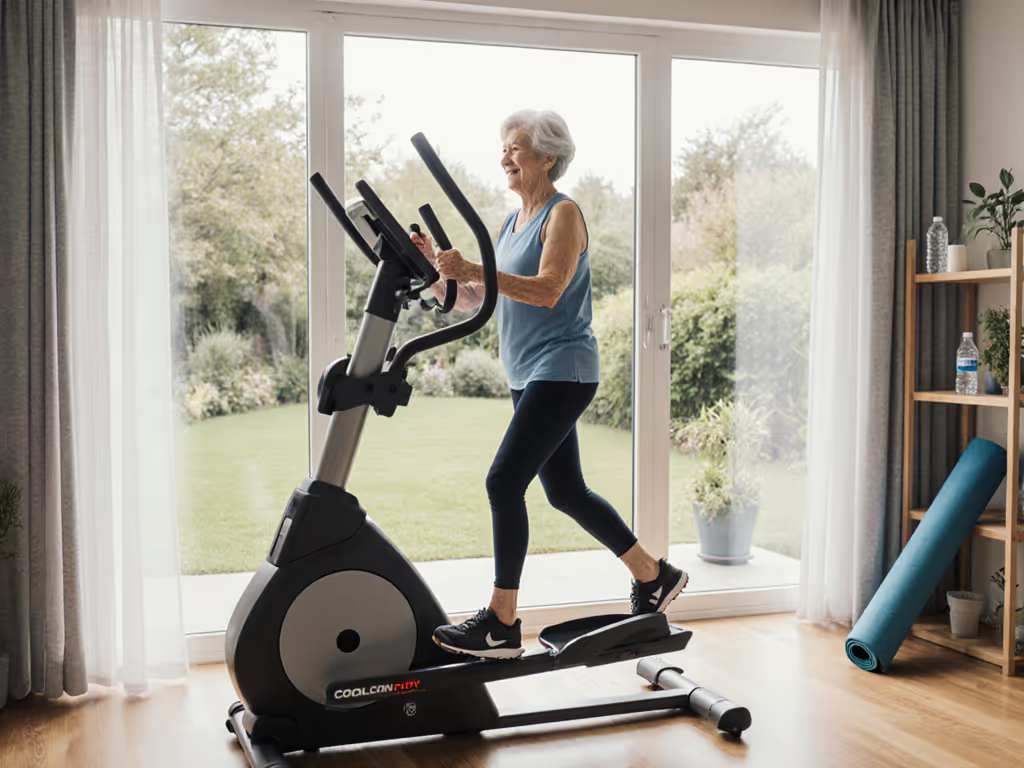
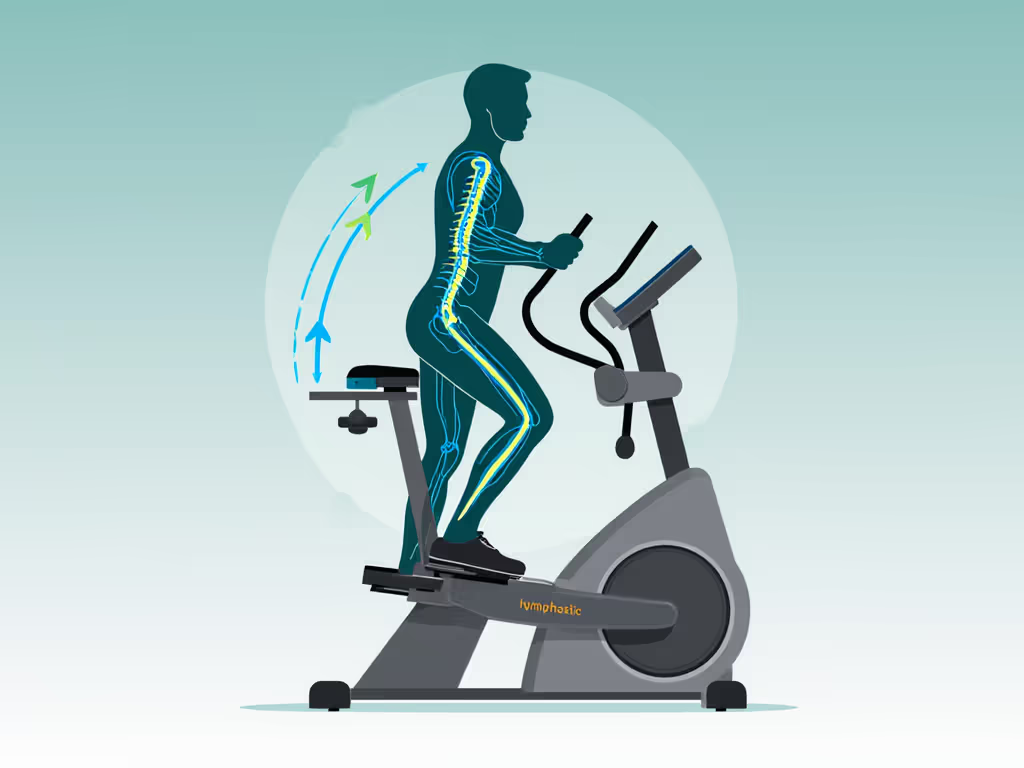
Elliptical machines for lymphatic circulation function differently from treadmills in one crucial way: they keep your feet planted. The stationary pedal platform means your calf, quadriceps, and glute muscles contract and relax in a controlled, rhythmic pump, exactly what lymphatic drainage needs. Unlike running, where impact and jarring can inflame already-sensitive tissues, the elliptical's smooth, low-impact motion creates what therapists call muscular pumping without joint stress.
The mechanics are straightforward: gentle muscle contractions move lymph upward against gravity. Your lymphatic system has no heart to circulate fluid, so movement becomes the engine. Even a 15-minute session at easy resistance engages the muscle work your body needs to reduce swelling.
Beyond legs, many ellipticals include moving handles. Upper-body involvement matters if you have arm lymphedema (the repetitive motion of arm poles drives circulation in the deltoids and shoulder girdle). This dual-limb engagement is why ellipticals outperform stationary bikes for full-body lymphatic drainage exercise. See how ellipticals compare to bikes in our elliptical vs bike guide. The additional benefit: smooth flywheel or fluid motion produces almost zero impact shock. If you've spent months flinching at every step, that absence of jolt is genuinely freeing.
Finding the Right Fit: Stride Length and Q-Factor Essentials
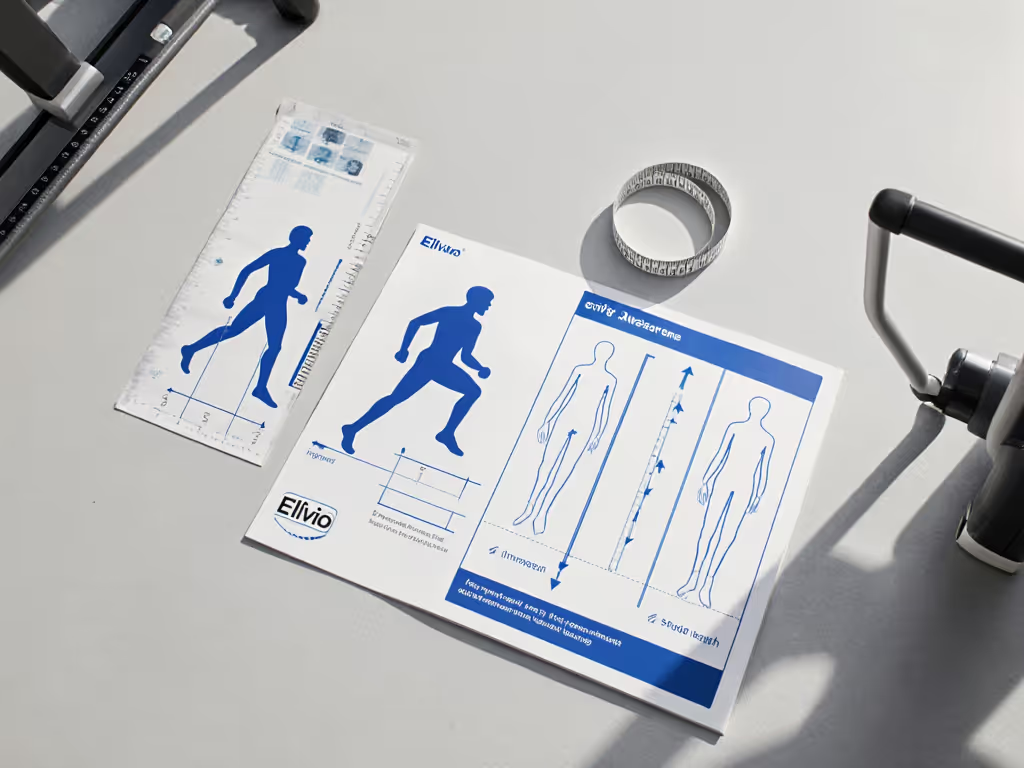
Here's where most guidance falls short. You'll see spec sheets listing stride length, but no one explains how to know if 18, 20, or 22 inches is your number. The answer is measurement.
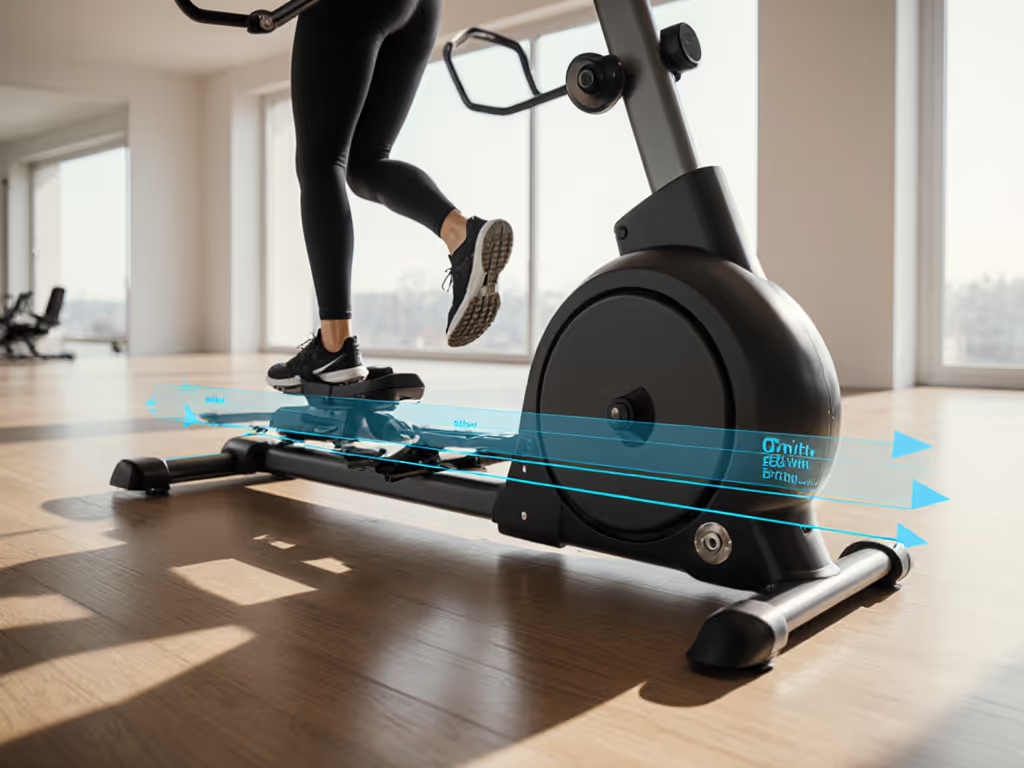
Stride length is the distance your foot travels from back pedal position to front pedal position. Too short, and you'll hunch forward, cramping your hip flexors and straining your lower back. Too long, and your hips rock side-to-side (a red flag called lateral sway) which stresses your knee ligaments. This matters immensely if swelling is already present; added stress compounds inflammation.
Here's the test: Stand barefoot against a wall, heel touching. Have someone measure from wall to your toe, that's your approximate foot position at the front of your stride. Measure from wall to about 6-8 inches behind your heel, that's the back position. The difference is your functional stride range, typically 18-24 inches for most adults. Once you have that number, match it to machine specs before shopping. If you're unsure how drive type affects feel, our front vs rear vs center drive comparison explains comfort differences for long-term use.
Q-factor (stance width) is the distance between pedal centers. A narrower Q-factor (100-110 mm) aligns your knees directly over your feet. A wider Q-factor (120-130 mm) splays knees outward. If you have lower-limb lymphedema or any history of knee sensitivity, that outward angle compounds compression and swelling. Narrow Q-factor isn't aesthetics; it's biomechanical safety. When evaluating ellipticals for edema management needs, confirm both stride and Q-factor. If a spec sheet omits them, that's a red flag.
Pre-Elliptical Setup: Three Alignment Checkpoints
Before your first session, dial in three things:
1. Seat Height (if adjustable) Your hip should sit roughly level with or slightly higher than your knee at the bottom pedal stroke. Too low compresses the hip flexor and knee joint; too high forces reaching, straining your lower back.
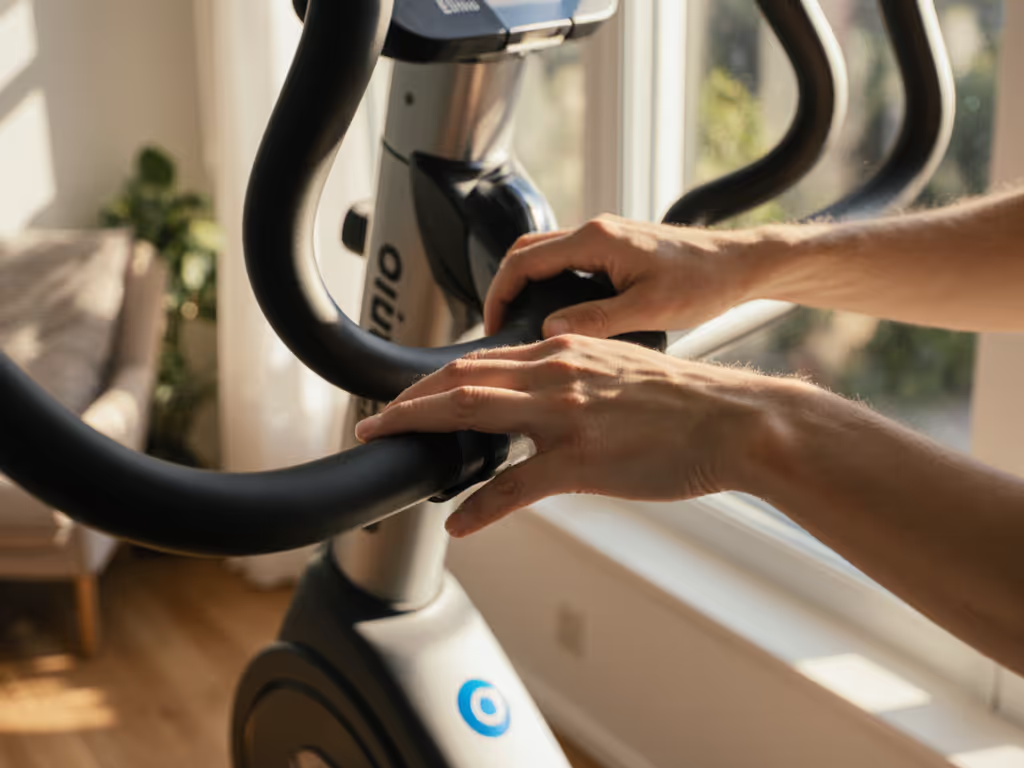
2. Handle Position If your elliptical has moving handles, grip them lightly. Carry only about 15-20% of your upper-body weight in the handles. If you're hanging all your weight, that signals your stride length or resistance is wrong (dial one or both down).
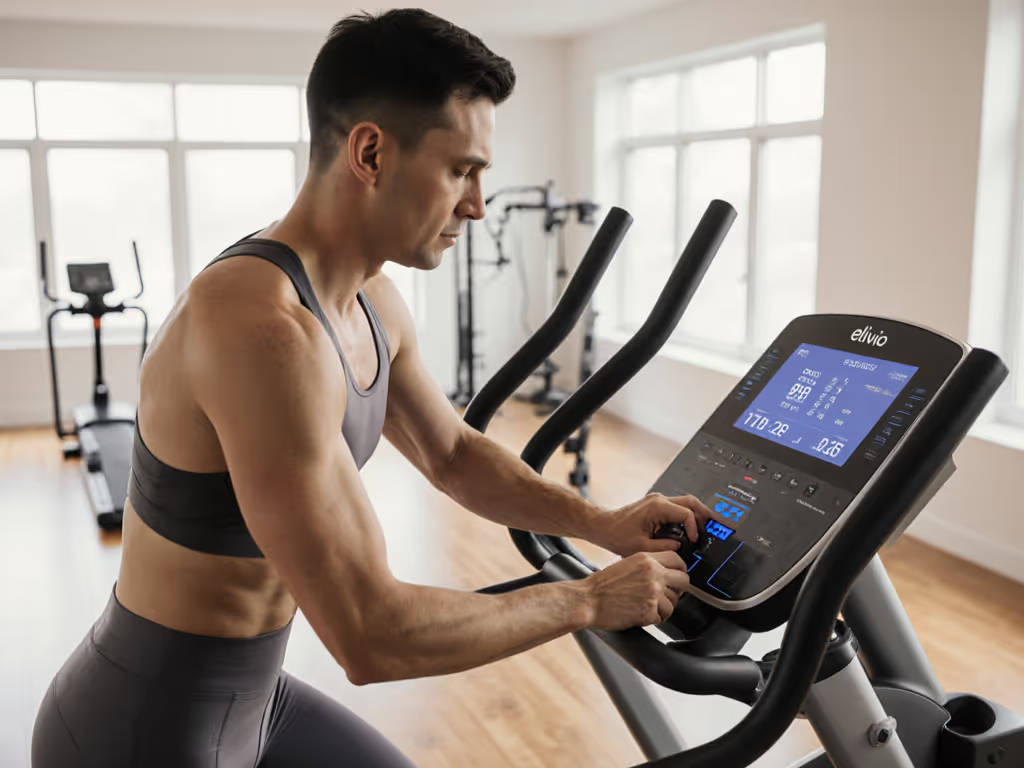
3. Pedal Resistance Start light, light enough that you could talk in full sentences. Common mistake: people jump to moderate resistance assuming they need challenge. For low-impact lymphatic workout, low resistance is the entire point. Muscle contraction at low resistance still drives lymph; high resistance introduces unnecessary strain that defeats the purpose. Then reinforce safe technique with our elliptical form guide.
Frequently Asked Questions
Should I wear compression garments while using the elliptical?
If your therapist prescribed compression, yes, wear it during exercise. Compression supports lymphatic flow and prevents excessive swelling during the session. This isn't optional; it's part of your setup, just like shoes.
How long should I exercise?
Start with 10-15 minutes at low intensity. Progress gradually, add 2-3 minutes weekly if you feel pain-free afterward. After 4 weeks, you might reach 20-30 minutes. Consistency beats duration. Four times weekly at 15 minutes outperforms once-weekly at 45 minutes. Measure your stride once; choose comfort for every workout.
Can I pair elliptical sessions with other low-impact routines on the same day?
Yes, but sequence matters. Do gentle stretching or aquatic therapy first, then elliptical. Elliptical work is focused muscle effort; follow-up stretching helps reset tissue. Avoid stacking elliptical with high-intensity or high-impact activity (jumping, heavy lifting, sprinting) the same day, your lymphatic system needs recovery time.
What if I notice increased swelling or discomfort during a session?
Stop and check three factors: Is resistance too high? Is duration too long? Is your compression garment fitted correctly? If swelling worsens even at low resistance after 10 minutes, scale back to 5 minutes or skip a day. Slight post-session swelling is normal; excessive swelling or pain is not. Always debrief with your therapist. If it hurts, it's wrong.
How do I handle multi-user fit when my partner and I are very different heights?
Adjustability is non-negotiable for shared machines. Look for ellipticals with seat or pedal-arm adjustments. However, if stride length and Q-factor are fixed, one person will compromise on comfort. Prioritize fit for the person managing lymphedema first, their fit is functional and medical. For the other user, minor adjustments or separate presets minimize strain.
Building a Sustainable Post-Surgical Swelling Elliptical Routine
The elliptical is a foundation, not the entire structure. Pair it with gentle arm circles or water-based arm exercises to complement lower-limb focus, stretching (15 minutes post-session) to maintain mobility, and walking on non-elliptical days for variety. Always follow sessions with compression and elevation to manage residual swelling. Avoid stacking the elliptical with HIIT, plyometrics, or heavy resistance training on the same day. Follow a phased plan from our elliptical rehabilitation protocols to progress safely.
Summary and Final Verdict
The elliptical for lymphedema is biomechanically sound: low-impact, rhythmic, and capable of driving lymphatic flow without shock or strain. But the machine itself is only as good as the fit. Start with measurements: stride length matched to your body dimensions, Q-factor narrow enough to keep knees neutral, and resistance light enough to sustain without pain.
Your setup matters more than the brand. Your consistency matters more than duration. Your body's feedback matters more than any target number on a screen. Pick a machine that adapts to you, not the other way around, then trust the process. Measure your stride once; choose comfort for every workout.
Related Articles