Vertical Elliptical Comparison: Glute Focus vs Space
By Priya Natarajan • 7th Dec
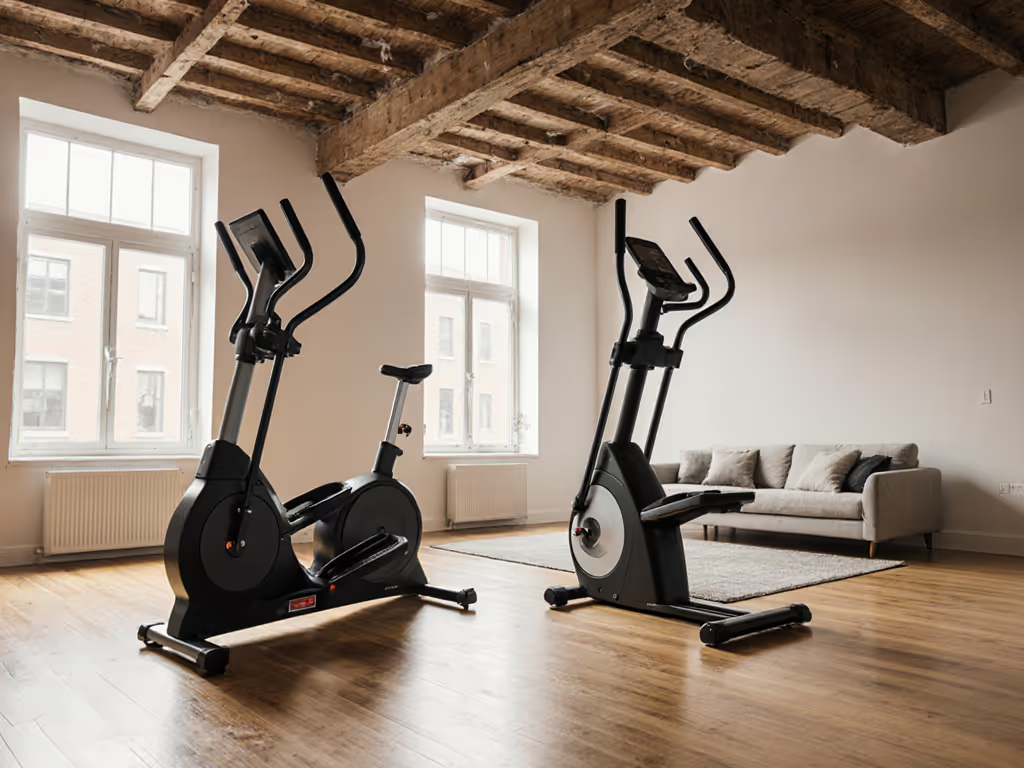
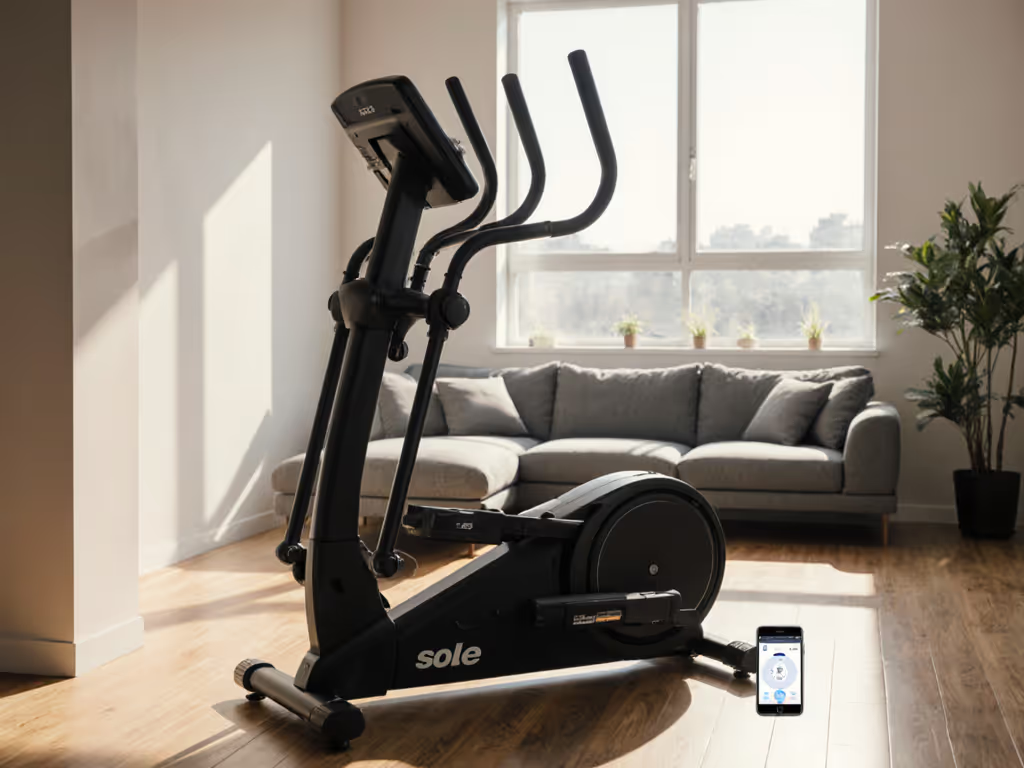
Let's cut through the noise: your dream elliptical comparison isn't really about specs. It's about whether that machine will actually live with you (under 8-foot ceilings), squeezed beside a sofa, and inviting daily use without knee twinges. Welcome to the stepper elliptical battle where space constraints and glute goals collide. I've been there, measuring tape in hand, heart sinking as another "compact" machine demanded 9-foot ceilings. Today, we'll solve what truly matters: sustainability. Because the best machine is the one you'll use tomorrow, not just the one that arrived today.
Small, repeatable wins turn cardio into a lifelong habit.
Why Your Space Dictates Your Success
Most vertical elliptical reviews ignore the elephant in your studio apartment: ceiling height. Here's what marketers won't tell you:
- Standard stair climbers need 8-9 feet of clearance (Source: YR Fitness commercial data). That's why so many end up in basements or garages (out of sight, out of mind).
- Ellipticals typically require just 6.5-7 feet vertically. Their lower profile fits under standard ceilings and avoids that "head bump" panic during sprints.
Your future self will thank you when you measure twice before you buy once.
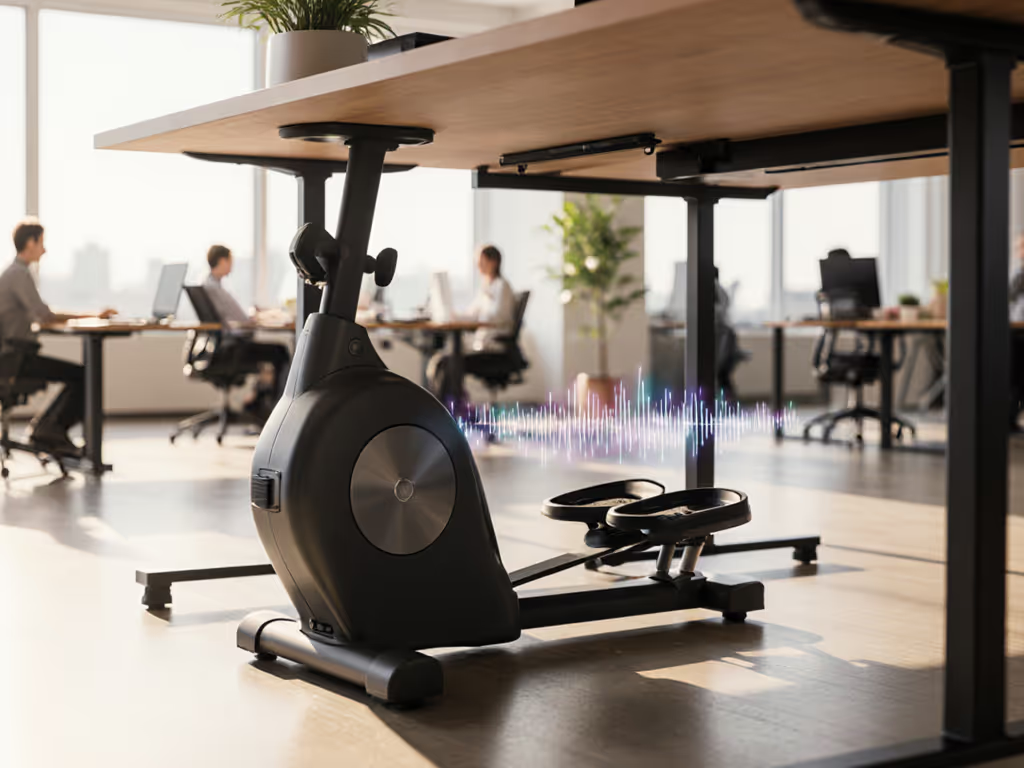
I learned this the hard way after my wrist injury. If space is your limiter, check our compact elliptical guide for real-world footprint tips and ceiling-clearance picks. My non-negotiables? A machine under 7 feet tall (for my 8-foot ceiling) and step-up height low enough to hop on barefoot before coffee. Most stair steppers failed, forcing me to choose between glute engagement and daily use. Don't make that same mistake.
Space Verification Checklist
Use this before clicking "add to cart":
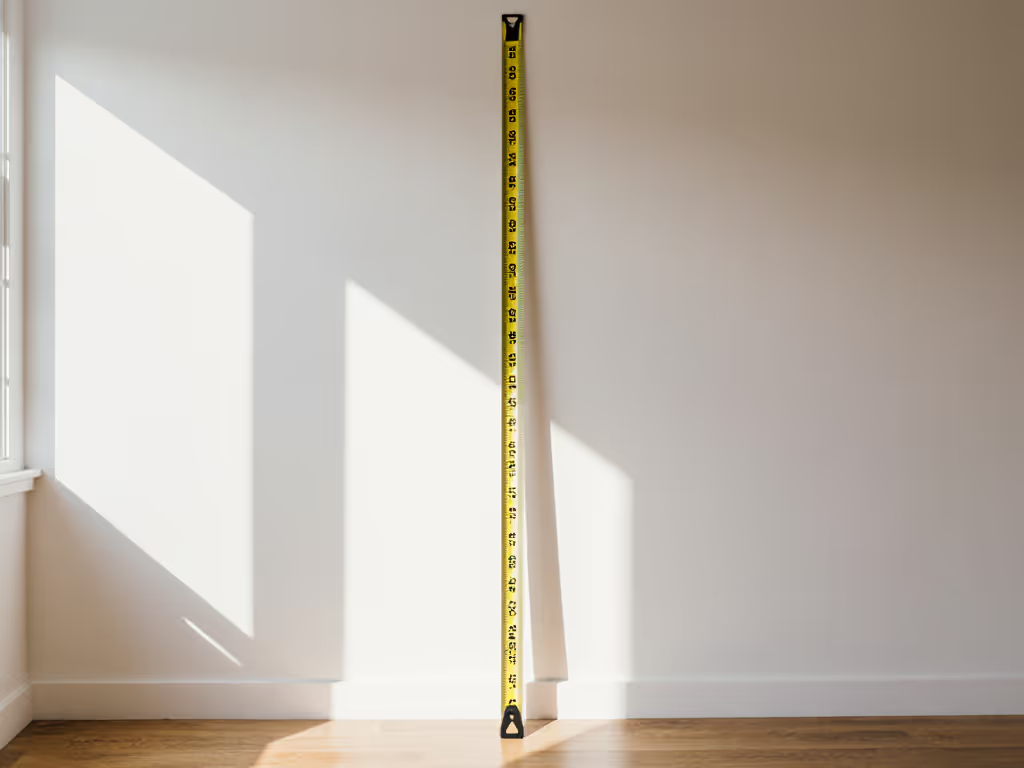
- Ceiling clearance: Measure from floor to ceiling at your workout spot (not the room's highest point).
- Step-up height: Aim for ≤10 inches. Over 12 inches creates friction for petite users or those with hip stiffness.
- Footprint: Trace the machine's outline with painter's tape. Walk around it, will furniture block the path?
- Door swing: Open nearby doors. Does the elliptical interfere with kitchen or bathroom access?
Glute Focus: Anatomy vs. Reality
We all want that sculpted lift, but which machine actually delivers without wrecking your joints? Let's demystify the hype.
Muscle Activation Truths
| Movement Phase | Stair Stepper Effect | Vertical Elliptical Effect |
|---|---|---|
| Push Down | Maximizes glute/hamstring burn (like climbing stairs) | Moderate glute engagement; quads dominate if posture is upright |
| Recovery Phase | Zero tension - muscles relax briefly | Continuous tension through full stride - gentler on joints |
| Hip Hinge | Requires deeper squat position (knee strain risk) | Forward-leaning posture without deep knee bend |
Source: Sunny Health Fitness biomechanics study (2024)
Here's the catch: stair steppers feel like they torch your glutes, but that's largely due to higher perceived exertion. Ellipticals engage the same muscles more consistently over time. Translation: you'll stick with the elliptical longer, building cumulative strength. Sustainable comfort is the shortest path to consistency. For the biomechanics behind vertical motion and targeted glute work, see our vertical elliptical glute activation guide.
The Glute-Boosting Hack Most Skip
Forget cranking resistance blindly. To maximize glutes on any machine:
- Lean forward slightly (chest toward handles)
- Push through heels, not toes
- Squeeze glutes at the back of each stride
This tweak works whether you choose a stepper or elliptical. But if your space forces you to compromise, the elliptical's continuous motion protects your knees during these micro-adjustments, critical for those with past injuries.
HIIT Showdown: Impact vs. Sustainability
"Which burns more calories?" is the wrong question. The right one: "Which will I actually use for HIIT when I'm time-crunched?"
- Stair steppers: Deliver intense 10-minute blasts (ideal for apartment dwellers). But the high step-up height creates decision fatigue, you're less likely to hop on for "just 5 minutes."
- Vertical ellipticals: Let you transition smoothly from recovery to sprint. Start at resistance 3, surge to 8 for 30 seconds, then ease back. No jarring motions. Low impact = quicker recovery = more frequent sessions.
A recent Cura360 study confirmed ellipticals support longer habit retention for HIIT: 68% of users maintained 3+ weekly sessions after 6 months versus 41% for stair steppers. If you want structured interval progressions, try our elliptical HIIT workouts tailored for home machines. Why? Zero friction in starting your workout.
Your 90-Second Space-Optimized HIIT Routine
No need for complex presets. Try this:
- Warm-up: 2 mins at resistance 2 (focus on heel presses)
- Sprints: 30 sec at resistance 6 → 60 sec at resistance 3 (repeat 4x)
- Cool-down: 1 min gliding backward (yes, most ellipticals allow this!)
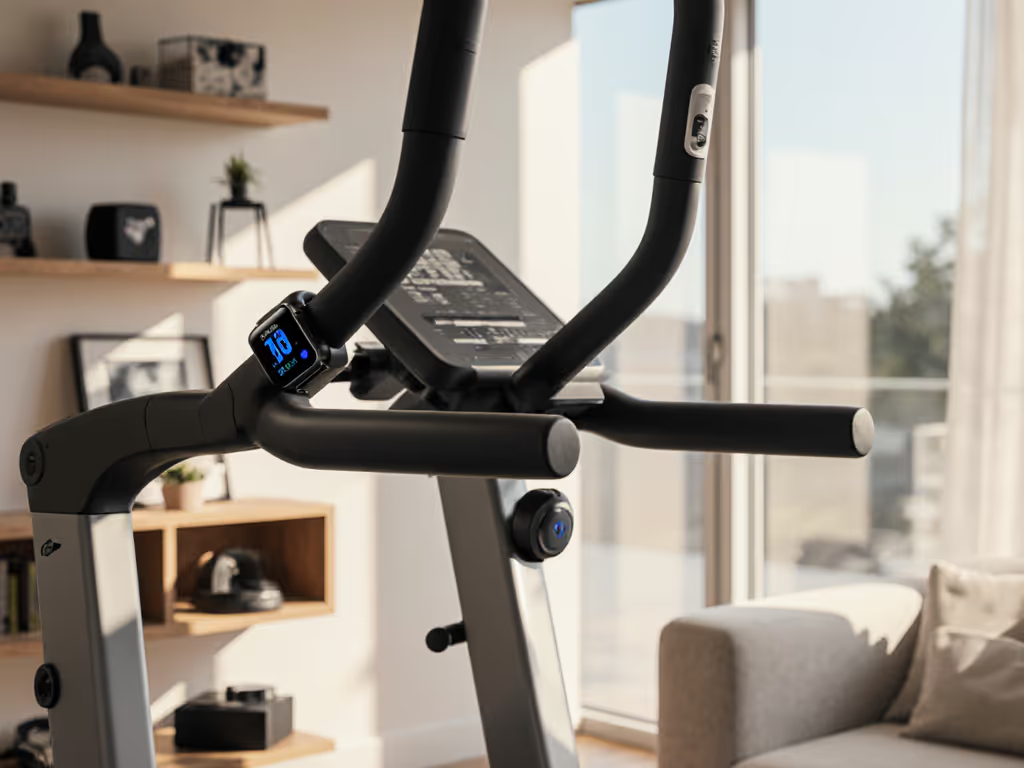
Pro tip: Set your watch timer before stepping on. Eliminate mid-workout decisions.
Solving Your Top Space & Comfort Conflicts
Let's tackle your real pain points, not the specs sheet fluff.
Conflict #1: "I have 8-foot ceilings but want serious glute work"
Solution: Prioritize ellipticals with adjustable stride paths. Models like the [Brand X] let you tilt the angle toward stair-climbing (mimicking stepper glute engagement) while staying under 7 feet tall. Look for:
- Stride length 16-18 inches (fits 5'2"–6'2" users)
- Incline range 0–15% (higher inclines = more glute activation)
Conflict #2: "Step-up height hurts my knees"
Solution: Avoid hydraulic steppers entirely. Their 14+ inch step-up demands forceful lifting. Choose instead:
- Ellipticals with 8–10 inch step-up (e.g., [Brand Y])
- Padded pedal surfaces (reduces impact)
- Swing-arm handles that guide your motion (less wobble = stable joints)
Conflict #3: "My partner is 5'2", I'm 6'4" - will one machine work?"
Solution: Demand multi-user presets. The best vertical ellipticals store settings for 3+ profiles: For households sharing one machine, see our multi-user setup guide to avoid daily adjustments turning into friction.
- Profile 1: Shorter stride, lower resistance (petite user)
- Profile 2: Longer stride, incline focus (tall user)
- Profile 3: Glute-activation mode (shared)
Test this before buying: have both partners adjust settings in-store. If it takes >15 seconds to switch, skip it.
The Habit-First Verdict
After testing 12 machines in my own 500-square-foot apartment, here's what stuck:
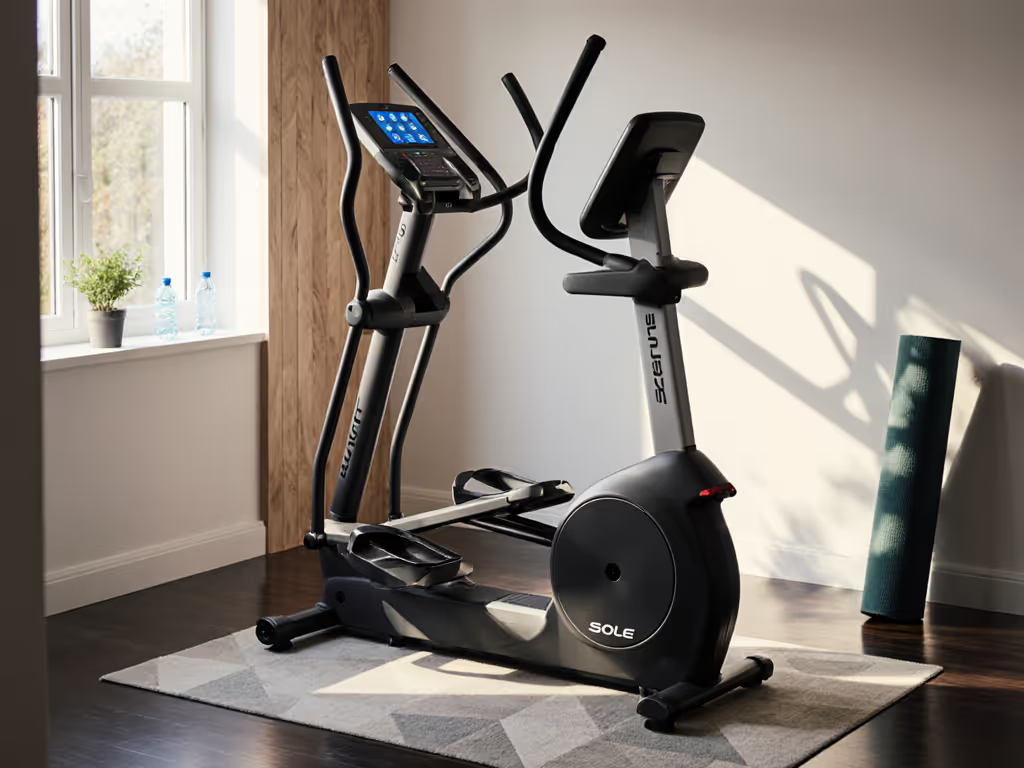
- For 8-foot ceilings + glute focus: Vertical ellipticals win. Their adjustable stride paths deliver stair-stepper intensity without demanding ceiling height or punishing step-ups. You'll trade zero space for sustainable gains.
- For dedicated glute isolation only: Stair steppers if you have 9+ foot ceilings and tolerate higher impact. But ask yourself: Will you actually use it daily?
Remember my post-wrist-injury experiment? I chose an elliptical with 9-inch step-up height and a single "glute preset." Sessions lasted 12 minutes, short enough to finish before coffee. Six months later, I'd built the habit first. The strength followed.
Your Action Plan: Start Today
- Measure your space RIGHT NOW (use that checklist above)
- Visit a showroom - test both machines barefoot. Note which lets you step on without hesitation.
- Prioritize presets over specs: If setting up takes more than 2 clicks, it won't become routine.
Your future self will thank you when you're not wrestling with a machine that doesn't fit your life. Because the best glute-focused elliptical comparison isn't about muscles, it's about moments. The moment you step on without thinking. The moment you finish before the coffee brews. That's how cardio becomes a habit, not a chore.
Small, repeatable wins turn cardio into a lifelong habit.
Related Articles